


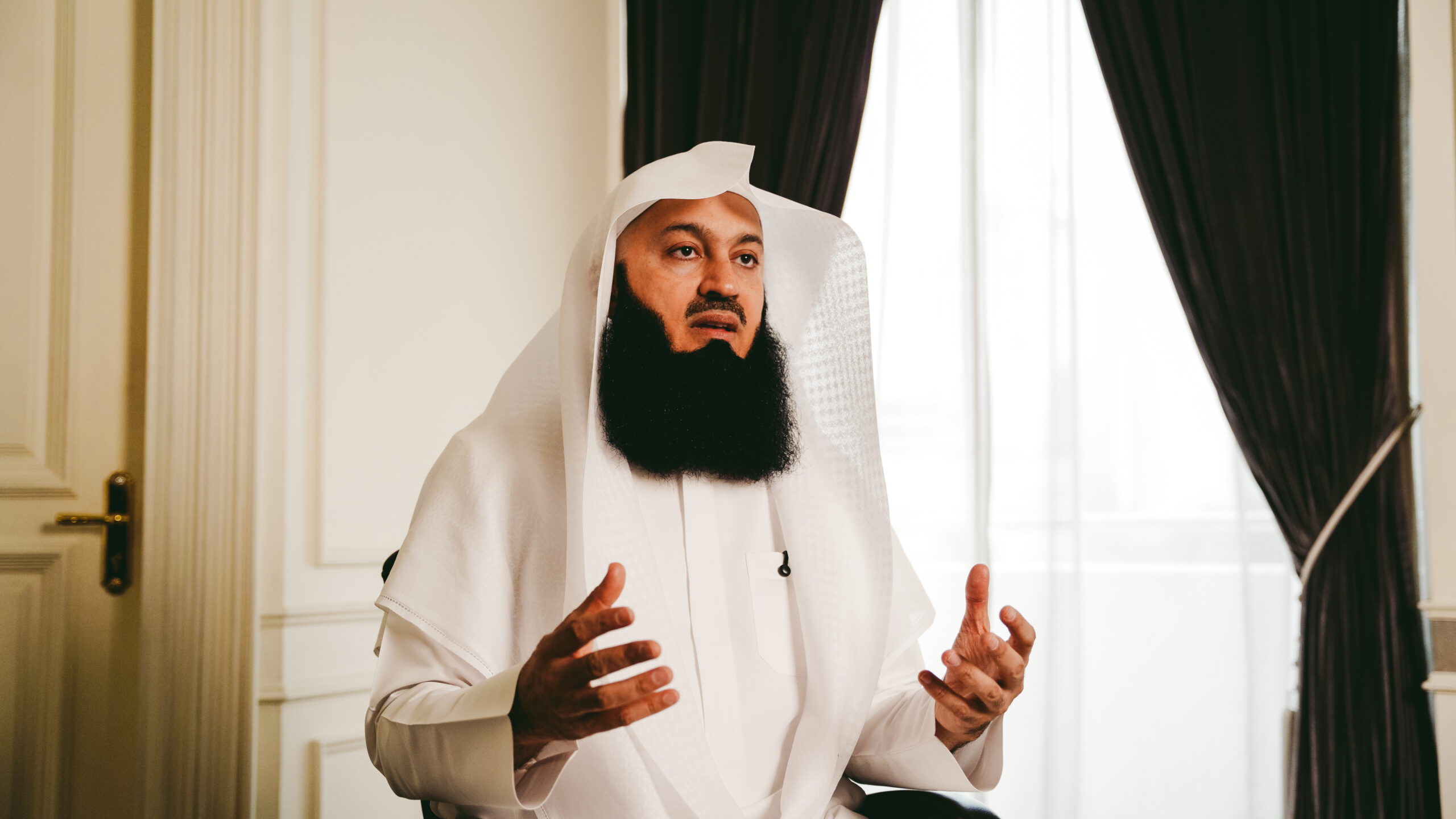
Emotion is a beautiful thing. It is our purest, most personal form of expression towards the world around us.
For example, a simple good morning wish can make one person feel like they are on cloud nine, while another may feel ready to switch off all their devices because they haven’t had their morning coffee yet.
Unfortunately, as unique as emotions can be from person to person, they are not always easily accepted by others.
Take a moment and ask yourself: have you ever held back from expressing your true feelings because you were told you were too emotional? Sometimes, being honest about our emotions invites judgement rather than empathy.
The hardest days are those when negative emotions crash over us like unforgiving waves. Do we stay true to ourselves, or do we adapt to others’ expectations because we fear being singled out?
In our previous event with Mufti Menk, he shared accounts of highly exalted individuals who were weighed down by their own negative emotions, and how all of them carry the same message.

Ya’qub (a.s.) was a loving father to his many sons. Among them was Yusuf (a.s.), whom he loved the most, and when he lost him, he wept until he went blind.
Those around him showed little mercy in their judgement: Stop crying and move on.
But instead of obeying, Ya’qub (a.s.) continued to pray and hope in Allah (s.w.t.) with patience in his heart, until he was eventually reunited with Yusuf (a.s.) and his sight returned.
Later, Maryam (a.s.) underwent an extremely testing time too in the form of pregnancy. Nobody could make sense of her mysterious condition, and she was overcome by shame and despair.
She wished she had never been born and had been forgotten altogether.
Yet, despite her utterly vulnerable state, her story came to symbolise resilience and the divine relief that follows it. In her isolation, her unwavering faith earned her Allah’s (s.w.t.) favour, which sustained her and restored her honour among her people.
Lastly, we are all well aware of the Prophet’s (s.a.w.) devotion, yet even he was not spared from trials, including a spiritual heaviness he described as “a veil over my heart” (Riyad as-Salihin 1869).
It is striking that someone ma’sum (sinless) could feel as though he was losing connection with his Lord. Nevertheless, he never took his status for granted. Instead, he made a habit of seeking Allah’s (s.w.t.) forgiveness daily.
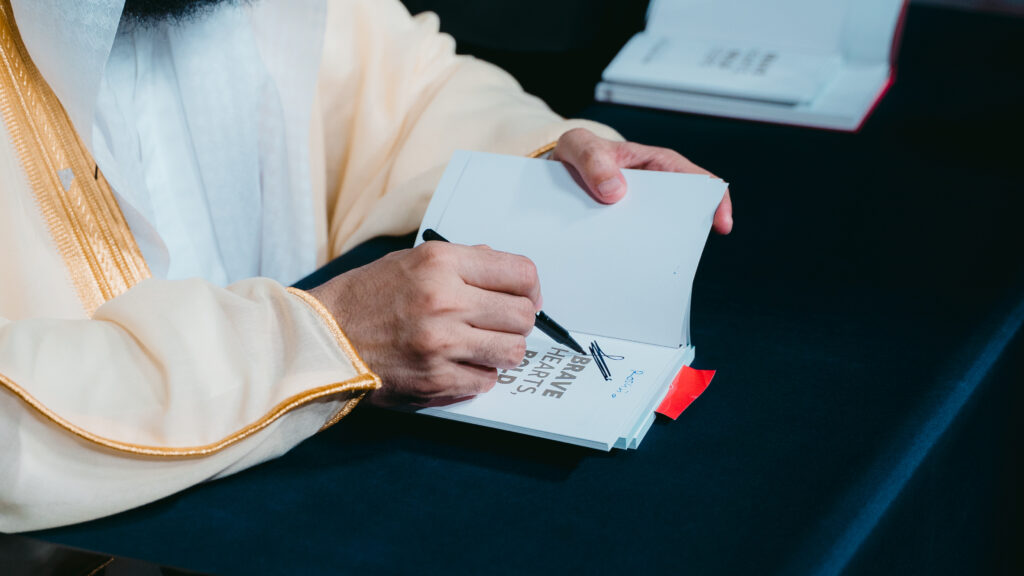
These stories offer important reminders for the days when our emotions feel too heavy to carry alone.
1. Those who turn to Allah (s.w.t.) will never find themselves disappointed
When all hope seems to have vanished, it is He who opens the doors of salvation for His servants. In our hopelessness, sorrow, and despondency, Allah (s.w.t.) is the ultimate comforter of hearts. None can soothe the storm within us as He can, for He understands far beyond what we are able to express.
Ya’qub’s (a.s.) years of tears, Maryam’s (a.s.) burden of reality and responsibility, and Muhammad’s (s.a.w.) distant-feeling heart were all met with His divine assistance. None of their hardships were disregarded, and none of them were abandoned to fend for themselves.
When My servants ask you (O Prophet) about Me: I am truly near.
(al-Baqarah 2:186)
2. People judge by flaws, Allah (s.w.t.) judges without bias.
These stories make it clear that nobody is exempt from false accusation and hardship, not even the righteous. Yet those who are patient and trust in the mercy of Allah (s.w.t.) will surely overcome their trials.
While those around them may pass verdict on their seemingly unsightly state, Ya’qub (a.s.), Maryam (a.s.), and Muhammad (s.a.w.) remain highly exalted in Allah’s (s.w.t.) sight, for His wisdom stretches far beyond human reasoning.
He replied, “I complain of my anguish and sorrow only to Allah,
and I know from Allah what you do not know.”
(Surah Yusuf 12:86)
3. People’s help has limits, but Allah’s (s.w.t.) help never does
Human capability is limited. People cannot possibly understand everything, nor can they satisfy everyone. Without His guidance and wisdom, they can easily disappoint others in their moments of need.
This is never the case with Allah (s.w.t.). For all our sorrow, heartbreak, and confusion, only in Him can we seek refuge and find peace, for it is He who decreed them upon us, and only He can replace them with something greater than we ever wished for.
And whoever puts their trust in Allah, then He (alone) is sufficient for them.
Certainly Allah achieves His Will. Allah has already set a destiny for everything.
(Surah at-Talaq 65:3)
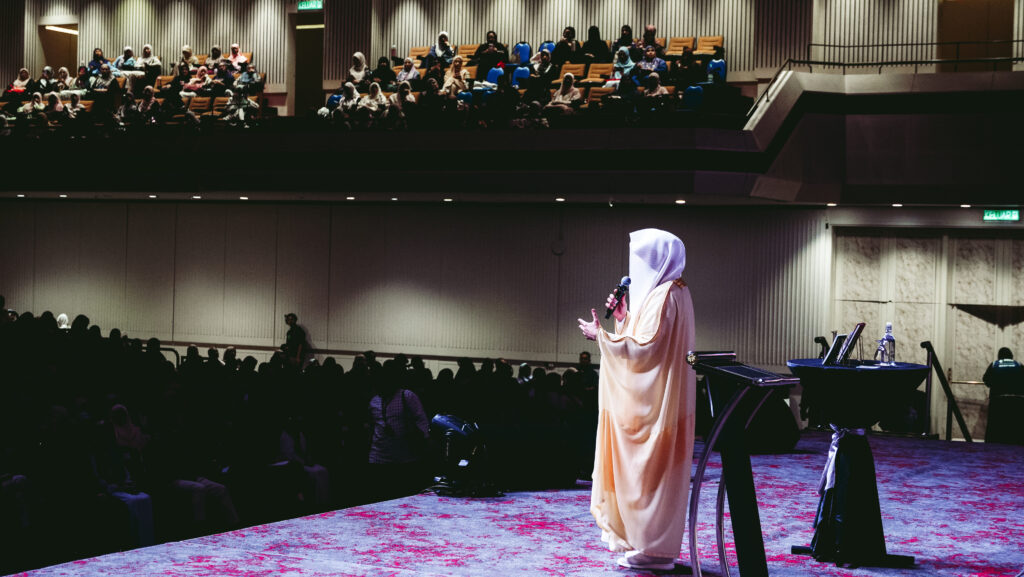
Allah (s.w.t.) will help us to focus on the right thing. So forget about what people think of you.
– Mufti Menk
Our Creator did not create us with every shade of emotion for us to spiral down its storm meaninglessly. He did so that we may reflect on our weakness and appreciate His providence.
The exalted individuals of the past, including the prophets, their families, and those who followed in their footsteps, all understood that when their darkest moments arrived, they had no power to help themselves except by the permission of Allah (s.w.t.).
Indeed, His power and supremacy overcome all, and only in Him do we find salvation.
Wallahu a’lam.